BOOM BAP COALITION · GEAR & TECHNOLOGY · NOVEMBER 2026
Behringer SP1200X: The Return of a Boom Bap Legend for Just $200?
An in-depth look at Behringer’s upcoming SP-1200-inspired sampler, its golden-era roots, and the promise (and unanswered questions) behind a $200 target price.
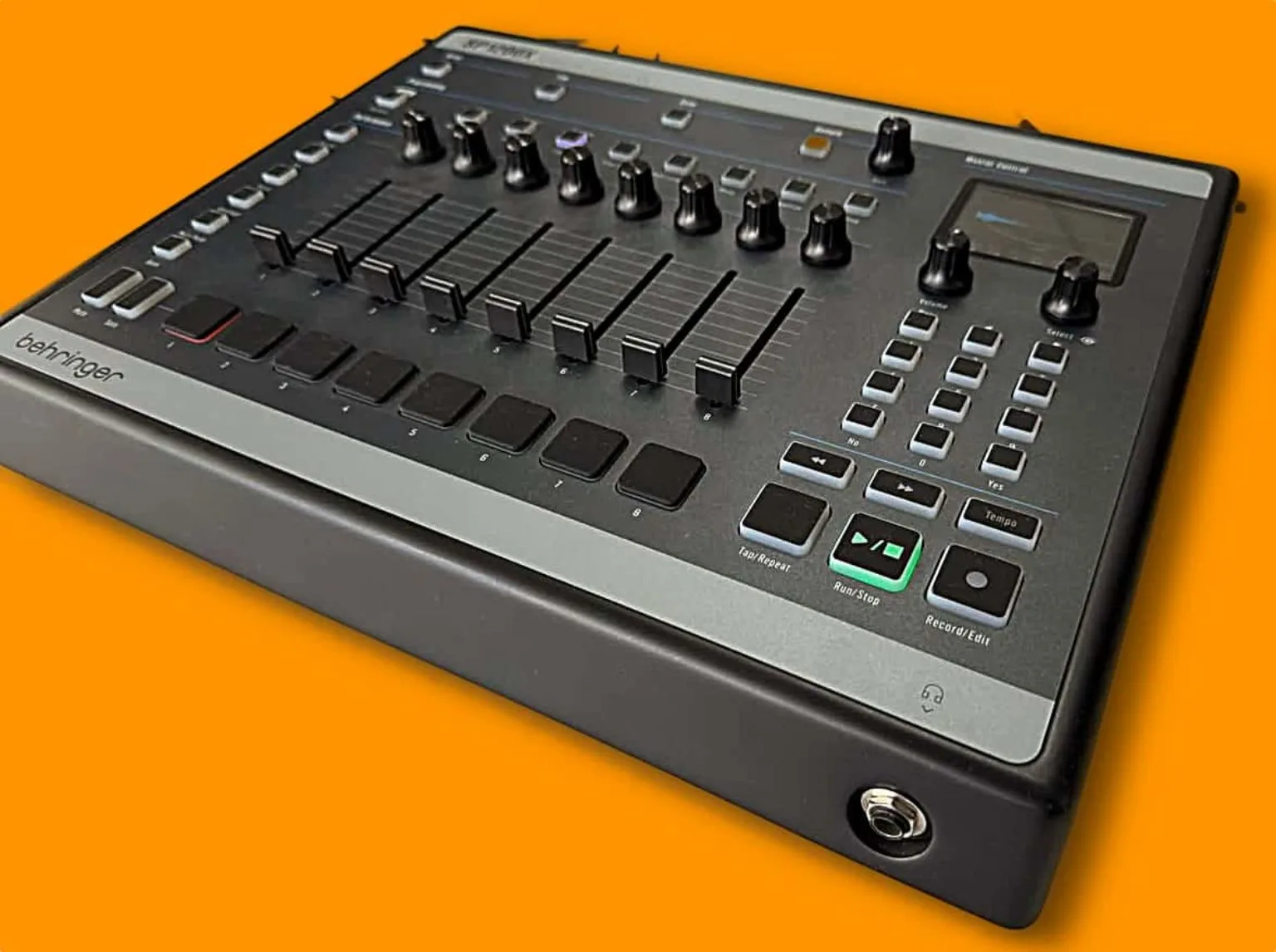
There are samplers, and then there are instruments that helped define an era. The original E-mu SP-1200 belongs in the second category. Its crunchy character and distinctive workflow shaped golden-era hip-hop. Now Behringer is developing the SP1200X, a tribute to that machine with a proposed $200 price and a promise of open-source firmware.
Behringer revealed prototype photographs on October 29, 2026. The unit is not yet shipping, its price is not final, and detailed audio specifications remain unconfirmed. For the Boom Bap Coalition audience, that’s still a headline worth watching.
The prototype, up close
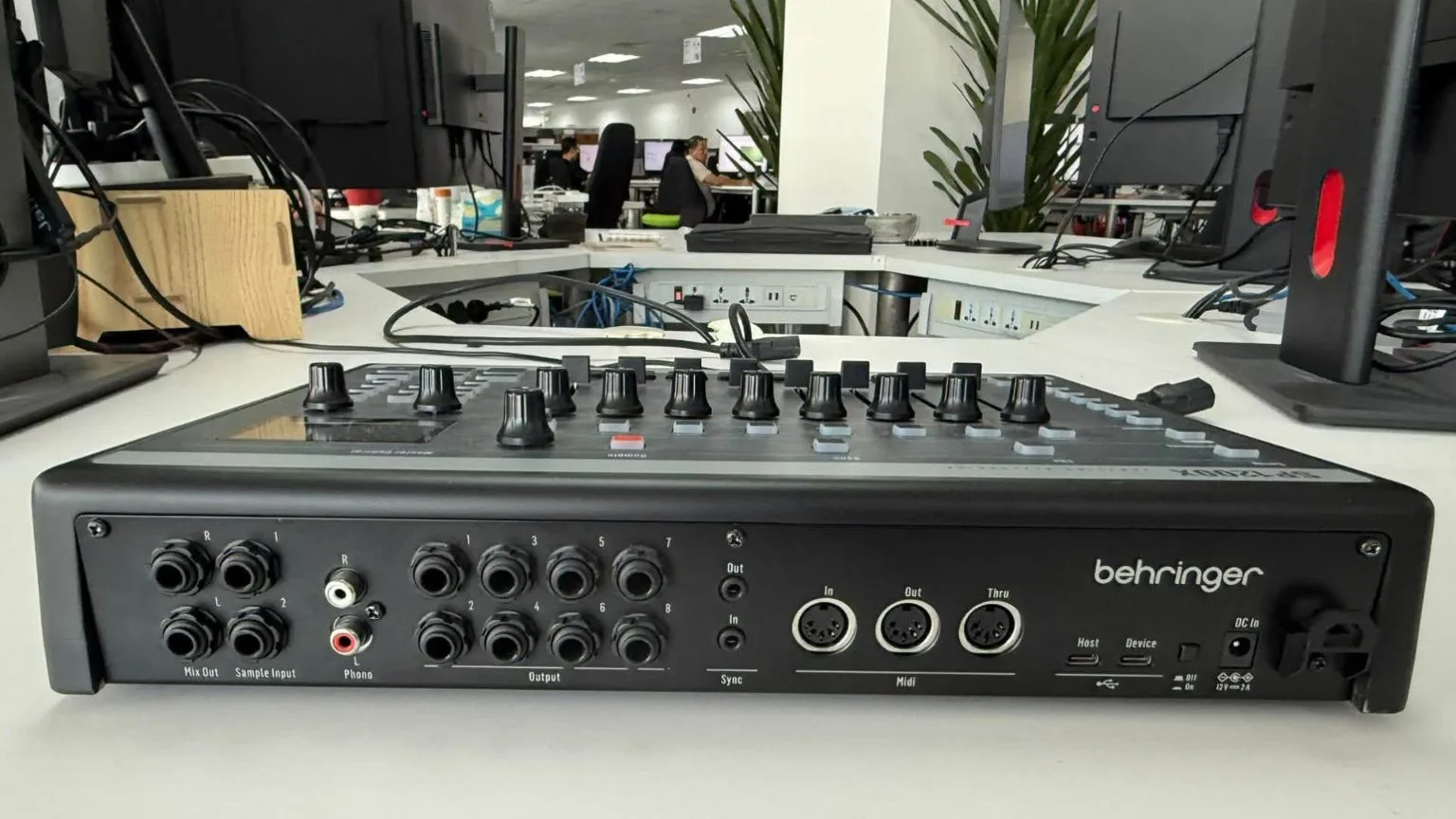
A first look at the hardware
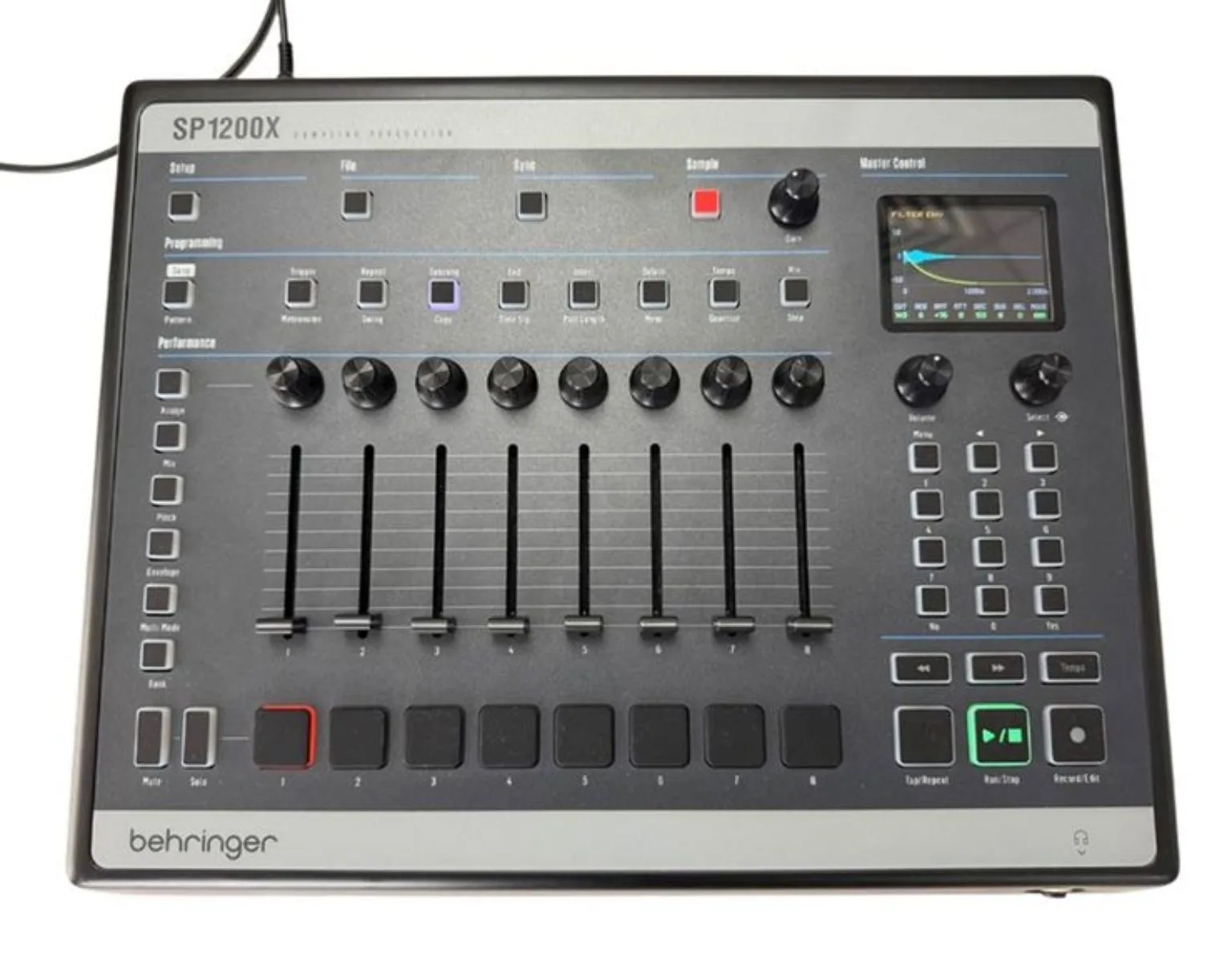
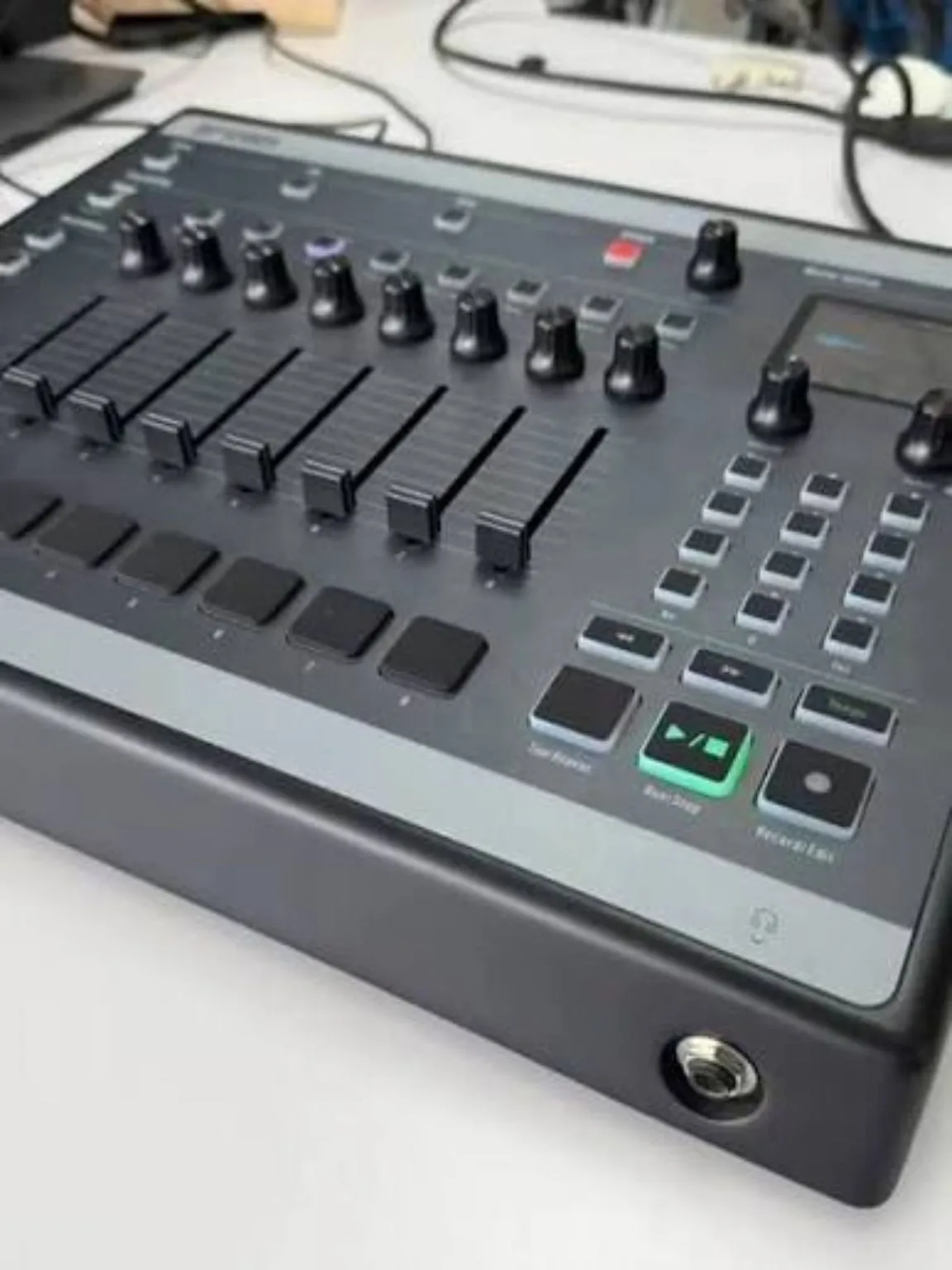
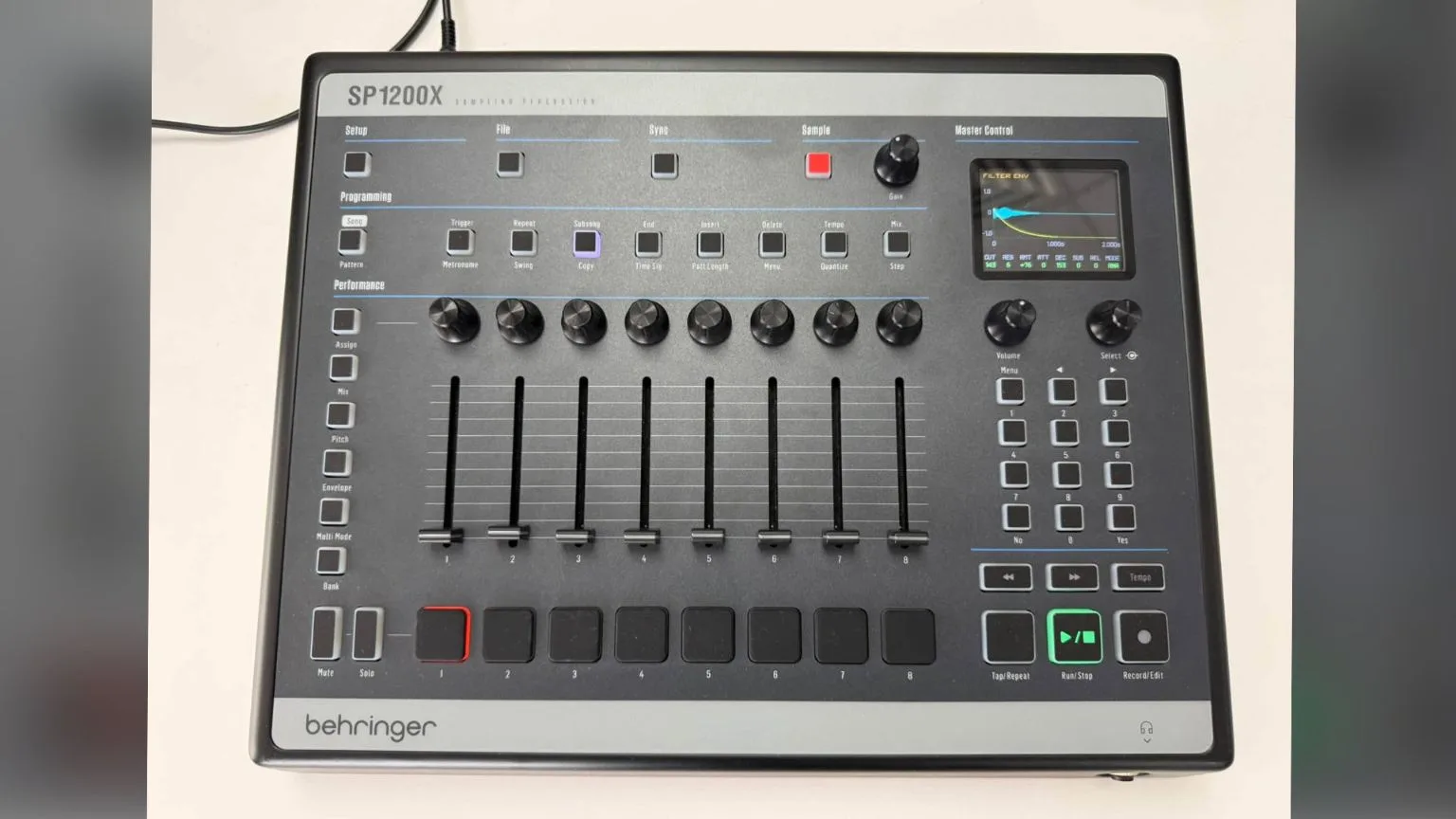
The prototype has eight performance pads, eight faders, a numeric keypad and a larger full-color display. Photographs and contemporary reporting show stereo sampling inputs, stereo mix outputs, eight individual audio outputs, MIDI In/Out/Thru, sync connections, and USB-C host/device ports. These are prototype observations, not a final published specification sheet.
Why the original SP-1200 matters
Dave Rossum’s E-mu SP-1200 arrived in 1987 with 12-bit sampling at approximately 26.04 kHz, eight voices and analog filtering. Its limited sample memory encouraged producers to sample material at higher speeds and pitch it down for playback. That approach contributed to the grain, aliasing and texture prized in classic hip-hop production.
The SP-1200 is associated with producers such as Pete Rock and with a wider era of sample-driven hip-hop. Its sound wasn’t merely about lower resolution: sample-rate conversion artifacts, pitch changes, filters, gain staging, and the choice of source records all mattered.
What makes $200 such a provocative number?
The original machine became expensive and collectible; Dave Rossum’s 2021 reissue was offered at a substantially higher price. A sampler inspired by that workflow at a $200 target would dramatically lower the barrier to entry, if Behringer delivers the hardware, sound and features suggested by its announcement.
“We’re aiming for just $200.”
Behringer
The company also said the machine would be open source. These are statements of intent, not guarantees of retail pricing, delivery timing or firmware availability.
Open-source firmware: the real wildcard
Open firmware could let developers refine workflows, add features or build custom tools within the limits of the hardware. The community around other samplers shows how valuable independent development can be. But as of this article, a public SP1200X source repository, final license, and detailed developer documentation have not been verified. Boom Bap Coalition will be watching whether the open-source promise turns into usable tools.
Can it reproduce the legendary sound?
This is the crucial unanswered question. Behringer has not confirmed the SP1200X’s sample bit depth, sample rate, filter design, converters, or pitch algorithm. The look of an SP-1200 is one thing; faithfully reproducing its crunch, transient response and characteristic aliasing is another.
An experienced user writing on Behringer’s feedback site argued for preserving the original’s mono, 12-bit, 26.04-kHz character rather than prioritizing a hi-fi mode. That’s one user’s opinion, not a confirmed design decision, but it captures the debate: should the SP1200X be a faithful recreation or a flexible modern instrument?
What producers are saying
The October 29 Reddit discussion attracted hundreds of upvotes and a mix of enthusiasm, curiosity and skepticism. Some commenters asked what open-source firmware would actually make possible. Others questioned how close the final product would come to the original. The conversation is lively, but reactions to prototype pictures are not hands-on reviews.
Why eight separate outputs matter
If the final production unit retains the eight outputs shown in prototype photographs, beatmakers could route drums and samples into separate mixer or audio-interface channels. That opens the door to analog EQ, compression, saturation and more detailed hybrid mixing. For a producer building kicks, snares and chopped soul samples, that flexibility could be as important as the machine’s vintage-inspired design.
The big unanswered questions
- What are the actual sample rate, bit depth and converters?
- Will there be analog filters, and what type?
- How much sample memory and polyphony will ship?
- How will sampling, chopping, sequencing and storage work?
- Will the open-source code, documentation and license be published?
- Will the final price really be $200, and when will it ship?
Boom Bap Coalition verdict
The Behringer SP1200X is one of the most intriguing sampler announcements of late 2026, not because anyone has yet demonstrated that it duplicates an SP-1200, but because it combines an iconic production concept, modern-looking connectivity and a remarkably low proposed price.
The promise is exciting. The sound is still unproven. Until production hardware is available for independent testing, the smartest response is anticipation with healthy skepticism.
If Behringer can capture even part of the original instrument’s feel while giving musicians modern routing and an open development platform, the SP1200X could become an important entry point into classic sample-based beatmaking.
Boom Bap Coalition will be watching. The drums have to knock.
Sources
- Synth Anatomy (October 29, 2026)
- Gearnews (October 29, 2026)
- MusicRadar (November 2026)
- AMAZONA.de (October 29, 2026)
- Behringer user feedback
- Community discussion on Reddit