BOOM BAP COALITION · EDITORIAL · PHILADELPHIA
WTF Happened to Philly’s Music Talent?
Where did the originality go?
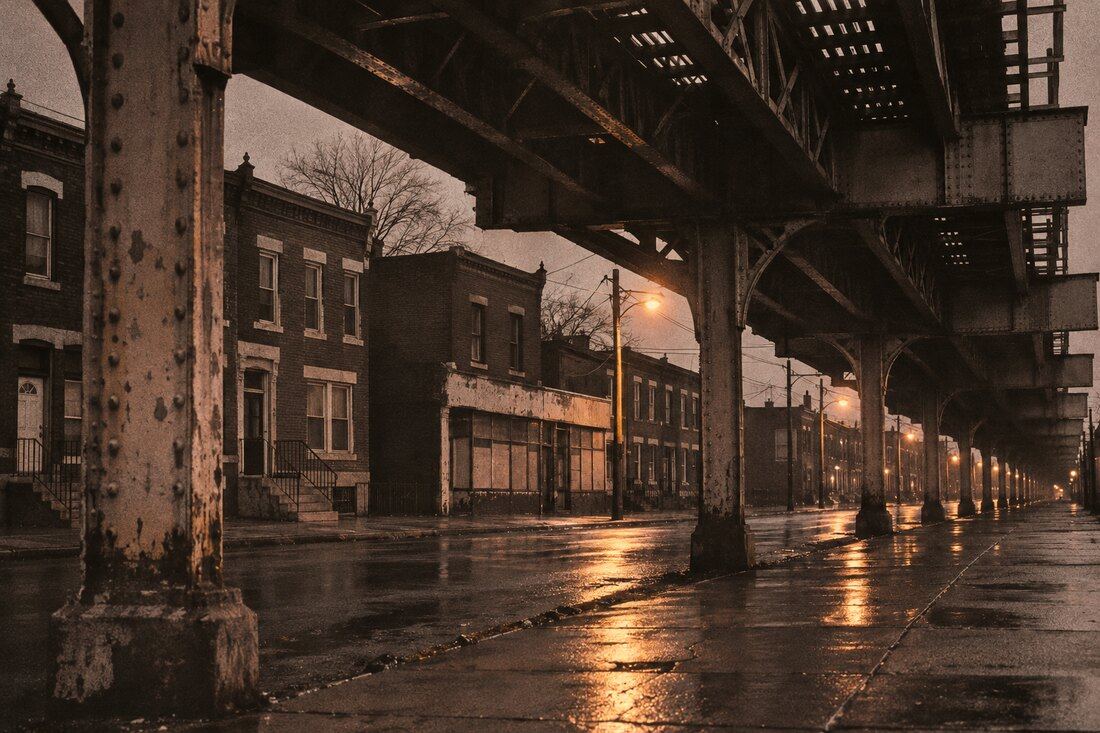
Once upon a time, Philadelphia wasn’t just a city that made music. Philadelphia was music. From the polished soul of Philadelphia International Records to the raw drums, dusty samples, and street-corner cyphers of hip-hop’s golden era, this city had something that couldn’t be manufactured: originality. So what happened to the city that once taught the world how to sound different?
When Philadelphia Had Its Own Sound
There was a time when you could close your eyes, listen to a record, and know it came from Philadelphia. You didn’t need somebody to tell you. You could hear it.
Philadelphia had a signature. It had soul. It had rhythm. It had musicianship. More importantly, it had an identity.
Kenny Gamble and Leon Huff built an empire with Philadelphia International Records. Artists like The O’Jays, Harold Melvin & the Blue Notes, Teddy Pendergrass, Billy Paul, and the Three Degrees helped create a sound that traveled around the world. The musicians of MFSB were essential to that sound. Add Patti LaBelle, the Stylistics, the Delfonics, and the Intruders, and you begin to understand the depth of the city’s legacy.
Philadelphia wasn’t following trends. Philadelphia was creating them.
The Golden Era: When Philly Hip-Hop Had Something to Say
Schoolly D was breaking ground. DJ Jazzy Jeff and the Fresh Prince brought Philly’s personality to the world. Cash Money helped redefine turntablism. Lady B helped bring hip-hop to Philadelphia radio.
Then came Three Times Dope, Steady B, and E.S.T., each bringing their own delivery and identity. Steady B’s serious criminal actions and their victims should not be erased, nor should his earlier place in local music history.
The underground was where something special happened: The Roots, Minds of Soul, Fifth Dynasty, and many more artists whose names might not have reached national television. The Roots brought live instrumentation, jazz, funk, soul, and lyricism together. Black Thought’s lyrical command and Questlove’s rhythmic imagination were unmistakable.
Everybody wanted to be the best, but nobody needed to be somebody else.
Four Corners of the City, One Love for Hip-Hop
This part is personal to me. I remember moving from North Philly to South Philly, from West Philly to other parts of the city, meeting people because we shared one common language: hip-hop.
Sometimes all it took was three words: “Do you spit?”
Somebody would start rhyming. Somebody else would jump in. Before you knew it, you had a cypher. No record deal. No social media followers. No expensive studio. Just talent, creativity, and love for the culture. Some of those conversations became friendships that lasted for years.
Different neighborhoods had different slang, influences, and approaches to a beat. Those differences made the music better. We exchanged ideas without realizing how important that exchange was. Philadelphia was a melting pot, and the entire city was our training ground.
The old days weren’t perfect. We had violence and rivalries then, too. But hip-hop created spaces where people could cross boundaries instead of building more of them.
Now Everybody Sounds Like Everybody Else
I won’t pretend that every young Philadelphia artist lacks talent. There are incredibly talented young musicians here right now. But where did the originality go?
Too often we hear the same flows, drum patterns, vocal effects, subject matter, image, and approach. Music should evolve—but evolution should introduce something new. When did copying somebody else’s formula become more valuable than developing your own identity?
Social media rewards repetition. Streaming algorithms and industry pressure can encourage familiar sounds. But Philadelphia has too much musical history to settle for being a carbon copy of anybody.
When Your Own Neighborhood Becomes a Prison
One of the most heartbreaking changes is how many young people feel unsafe traveling across neighborhood lines. People who might have become friends, collaborators, or members of the next great Philly group can end up seeing one another as enemies without ever meeting.
How many MCs never met their perfect producer? How many singers never connected with the musicians who could have changed their lives? How many friendships never happened? How many lives were cut short?
Maybe part of the reason the music has changed is because the way we connect with one another has changed.
When people stop traveling, meeting, and exchanging ideas, their creative worlds can become smaller.
We Didn’t Just Lose a Sound. We Lost a Community.
Philadelphia was never perfect. But DJs introduced people to records. Producers invited friends over to hear beats. MCs battled and then exchanged numbers. Singers, musicians, dancers, and graffiti artists built a culture bigger than themselves.
Too much of that spirit has been buried under ego, neighborhood division, violence, and the pressure to look tougher than the next person. What happened to being respected because you were talented? When did fear become more important than friendship?
Philadelphia Still Has the Talent
The city that gave us Teddy Pendergrass, Patti LaBelle, DJ Jazzy Jeff, Schoolly D, The Roots, Jill Scott, Musiq Soulchild, and countless others has not run out of creativity.
The talent is still in bedrooms, basements, home studios, schools, and churches. It’s in a young producer trying to make something nobody has heard before. It’s in an MC with notebooks full of incredible lyrics who doesn’t know anybody outside their neighborhood.
The talent didn’t disappear. Some of the connections that helped turn talent into greatness have disappeared.
How Do We Bring Philadelphia Back?
First, make originality valuable again. Encourage young artists to find their own voices. Study jazz, soul, funk, the musicianship of Philadelphia International Records, and the personality of classic hip-hop drums. Don’t just download the same kit everybody else uses—create something.
Second, rebuild relationships across neighborhoods. Imagine safe, organized cyphers bringing together MCs from North, South, West, Southwest, and Northeast Philly. Imagine beat exchanges, mentorship, local DJ showcases, and real opportunities for collaboration.
Third, bring generations together. Veterans shouldn’t dismiss everything young artists make; young artists shouldn’t ignore the pioneers. Old-school musical knowledge and new technology belong in the same room.
And address the fear and violence that separate people. Music programs need safe venues, trusted organizers, mentorship, and support. A cypher can’t unite a community if people are afraid to attend it.
Finally, stop measuring greatness only in views and streams. A million views doesn’t automatically make a great record. An artist with fifty listeners might have something extraordinary. We need to listen again.
One Question That Could Change Everything
I think about the friendships, battles, beats, laughter, competition, and excitement of hearing somebody rhyme in a way I’d never heard before. You didn’t have to come from my neighborhood to be my brother in hip-hop. You just needed genuine love for the culture.
That’s what I miss—not only the old records or drum machines, but the possibility of what happened when creative people from different parts of Philadelphia came together.
Philadelphia helped shape soul and hip-hop. That history belongs to us, but history alone won’t save the future. We must rebuild community, encourage individuality, and remind young artists that their greatest contribution is something nobody else has: themselves.
Philadelphia doesn’t need to be another copy of Atlanta, New York, Chicago, or Los Angeles. We need Philadelphia to sound like Philadelphia again.
And maybe getting there starts with three words:
“Do you spit?”